HEKS (the aid agency of the Swiss Protestant Churches) has been active in Niger since the 1970s and currently implements projects focusing on the sustainable management of natural resources. As outlined in a World Bank report, a substantial 80% of Niger’s population relies on agriculture and livestock farming, often constituting their sole means of livelihood. Nevertheless, various factors, including the country’s population growth, the adverse impact of climate change on land quality, and the excessive utilization of specific resources, have resulted in a depletion of natural resources, rendering the continuation of these income-generating pursuits increasingly challenging.
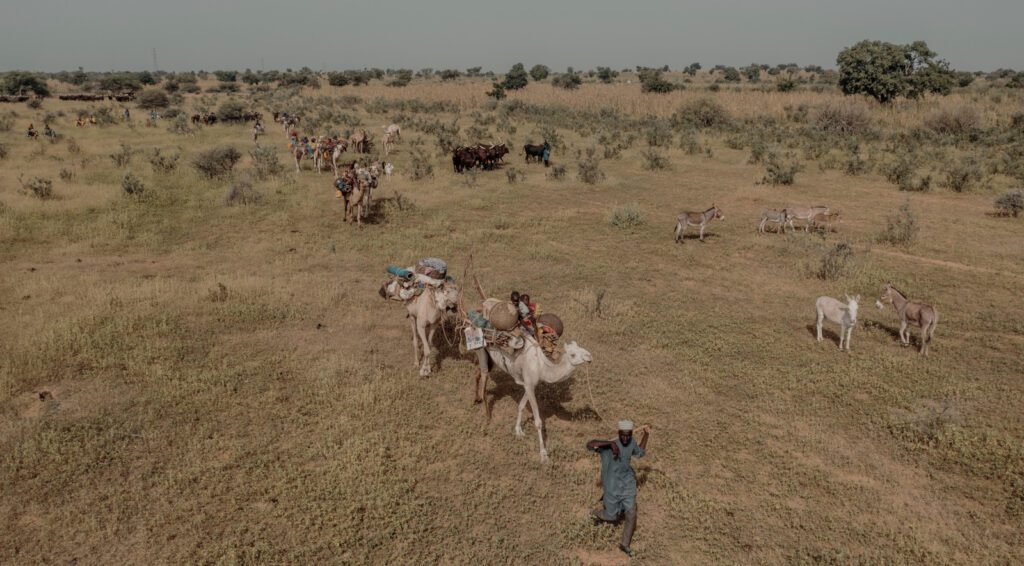
Furthermore, HEKS has discovered that the primary sources of conflict in rural Niger are closely tied to the access and control of natural resources, particularly water and land. Scarcities are compelling farmers to encroach upon land and water sources that were traditionally reserved for pastoral purposes. As a result, herders, while leading their flocks through grazing areas, inadvertently harm crops, giving rise to tensions and occasionally escalating into violent disputes with settled farming communities. These conflicts primarily stem from inter-community dynamics, but they can also impact residents within the same village who are constrained to share the same farming area or resources.
Over the past decade, HEKS has focused its natural resource management efforts on the Maradi and Zinder regions, where these conflicts have been particularly hit. The organization is pursuing three major objectives:
- Improve the availability of resources by rehabilitating degraded land and seeking to improve access to water in neglected areas (water being the second most scarce resource).
- Establish inclusive and participatory conflict management mechanisms in collaboration with communities and local authorities, whether state or traditional, with the aim of promoting peaceful conflict resolution.
- Support negotiations on the development of corridors for the passage of nomadic herders and finance the construction of watering troughs along these corridors.
At a time when the notion of the “triple nexus” of humanitarian, development, and peace promotion is gaining prominence in the international cooperation sector, the project described in this article illustrates the value of intervening at all three levels to improve the living conditions of local communities. By improving access to natural resources and supporting conflict resolution efforts in the region, the organization fosters food security and peaceful coexistence between mobile herders and sedentary farmers, thereby contributing to the reduction of humanitarian needs.