In the international cooperation sector, the debate on how best to operationalize the triple nexus — linking humanitarian action, development, and peace — has been high on the agenda for about ten years. Yet in many countries, especially those marked by structural violence and weak state institutions, this integrated approach is not theoretical but a lived reality.
In territories historically affected by marginalization, armed conflict, and environmental degradation, local responses to crises do not follow neat, sequential categories. Instead, they emerge as integrated, life-sustaining responses that combine survival and resilience with protection and transformation. Rural youth are often at the forefront of these efforts — enacting the triple nexus organically, without needing to name it as such.
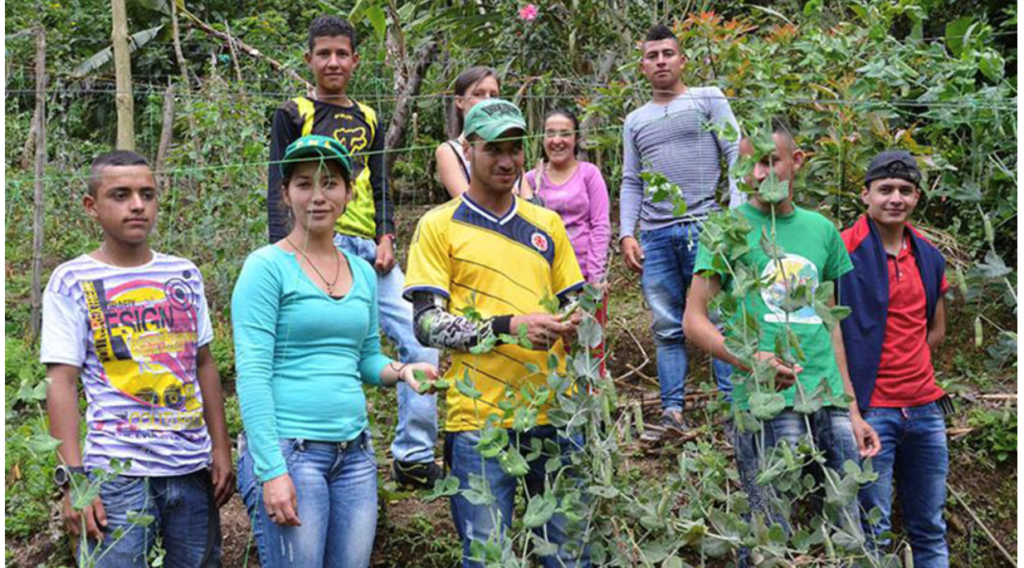
terre des hommes schweiz witnesses this daily through collaboration with local partners. In the territory of Antioquia, Colombia, where communities have endured decades of armed confrontation, forced displacement, and social exclusion, the Asociación Campesina de Antioquia (ACA) leads initiatives that embody the Nexus in practice. Their youth empowerment program defends land, culture, and livelihoods while training the youth in sustainable agroecology, human rights advocacy, and political participation. It offers a long-term process of collective learning, where young people gain practical skills, build critical awareness, and gradually take on leadership roles within their communities.
These programs are more than development projects — they contribute to protection amid displacement, peacebuilding anchored in memory and culture, and humanitarian responses that ensure safety and address urgent needs such as sustainable livelihoods through locally rooted solutions. Through these programs young people put the triple nexus a in practice.
Our role at terre des hommes schweiz is to accompany and amplify these efforts. This experience informs our broader approach: working through local actors and supporting context-responsive, youth-led strategies across different regions. Applying a nexus lens helps us recognize the depth of community-based strategies. When young people cultivate agroecological gardens, document histories, or protect water and land, they enact peace, development, and humanitarian response — all at once.