In a time of rising authoritarianism and shrinking civic space, when militarization is being presented as the answer to insecurity, solidarity in peacebuilding matters more than ever. Solidarity does not remove the risks women and feminist peacebuilders face, nor does it solve the structural challenges they encounter. But solidarity at the heart of feminist peacebuilding creates connections, strengthens collective action and ensures that peacebuilders do not have to face challenges alone. By putting those affected by conflict at the center, feminist peacebuilding addresses the root causes of armed conflicts, works towards transformative and structural changes, and builds on collective action and power.
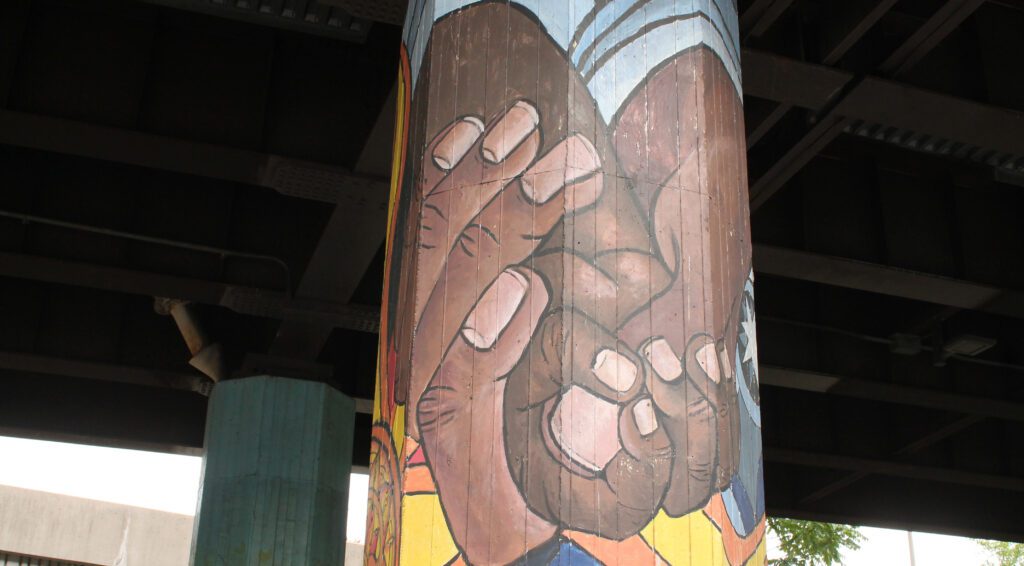
Solidarity is a core value for PeaceWomen Across the Globe (PWAG). To some, it may sound vague, like a sentimental form of charity or an abstract philosophical ideal. For us at PWAG, solidarity is part of the daily practice of feminist peacebuilding. We recognize that peacebuilding is a daily act of resistance, a struggle involving thousands from all walks of life around the world and not just the work of diplomats and officials in closed meetings. Many people build peace daily, everywhere. With this in mind, PWAG takes a broader view of peace processes than the headline-grabbing image of a handshake between powerful men at the conclusion of peace negotiations. PWAG has questioned and deconstructed this common perception. A peace process starts before formal peace talks begin and continues for decades after a ceasefire or formal agreement is concluded. As a feminist peacebuilding organization, PWAG strives to make the voices and demands of the women and feminist peacebuilders closest to conflict and central to all phases of peace processes.
For PWAG, solidarity-based feminist peacebuilding means building long-term partnerships grounded in a sustained commitment to walk alongside its partners in their peace work. That does not mean promoting a single approach. Peacebuilders and peace activists are in the lead. We add value by accompanying and supporting them in their daily peace efforts, often carried out under the harshest conditions and at risk to their own lives. As a Swiss organization, we acknowledge the privilege of working from a place of relative safety. We use this position to boost our partners’ important work to transform society and build peace by providing them with the tools and access they need, by ensuring their voices are heard by decision-makers in Switzerland and beyond, and by connecting them to PWAG’s global network of women and feminist peacebuilders named Feminists Connecting for Peace.
Solidarity takes different forms
In PWAG’s work and that of its partners, solidarity is always about creating safe, trust-based relationships among women and feminist peacebuilders. A participant in our Sudan program, a local peacebuilder from South Kordofan, describes peace as “the safety of saying goodbye to my child in the morning, knowing they will come back home from school.” Together with her colleagues, she advocates for local ceasefires between the armed actors. At PWAG, we believe that women like her should be at the center of discussions to end armed conflict and build a peaceful future.
PWAG supports its Sudanese partner Badya Centre in building a bridge between women peacebuilders like her in South Kordofan and exiled women peacebuilders in Kampala, who are closer to formal peace talks. Through this program, women in South Kordofan gain the information and tools they need for their daily activism, while those closer to the talks receive first-hand information about the situation in Sudan. The women build a relationship of solidarity, in which those with (relative) access carry the experiences and needs of those removed from formal processes.
The importance of solidarity with peace activists outside one’s own context becomes clear in the international exchanges that PWAG organizes. Not feeling alone in the daily struggle for peace and experiencing the solidarity of peacebuilders in distant conflicts are important sources of motivation. After an exchange with Sudanese peacebuilders, Gabriela Bastidas, a Colombian peace activist and participant in PWAG’s program, said: “Even though we are many kilometers away from each other, we are not alone and we share the same goal.”
Together against the global gender backlash
Feminist peacebuilding faces many challenges amid a global gender backlash. It has led to feminist agendas being undermined and losing global recognition. Even though the work of women and feminist peacebuilders has proven essential in numerous contexts affected by armed conflict, their work receives little to no visibility and recognition. This lack of recognition directly translates into a lack of funding, which limits the scope of their work.
This backlash affects the daily life and work of PWAG’s members and partners: hate, violence and death threats are making their work increasingly dangerous. Unfortunately, solidarity alone does not solve this. Many women peacebuilders continue to face extreme risks in their lives and work. However, solidarity builds relationships that outlast any program or a funding period. An example are group chats on messaging apps that several participants in PWAG’s programs created to exchange updates, share analyses, discuss security concerns, and support each other through difficult periods. For many, these networks have become an important source of connection and support in contexts where their work can make them feel profoundly alone.
Standing in solidarity with those affected by conflict and violence means centering their experiences, concretely supporting their work and contributing to expanding the space for women and feminist peacebuilders to shape the decisions that affect their lives and the future of their communities – especially at a time when these spaces are increasingly under pressure.